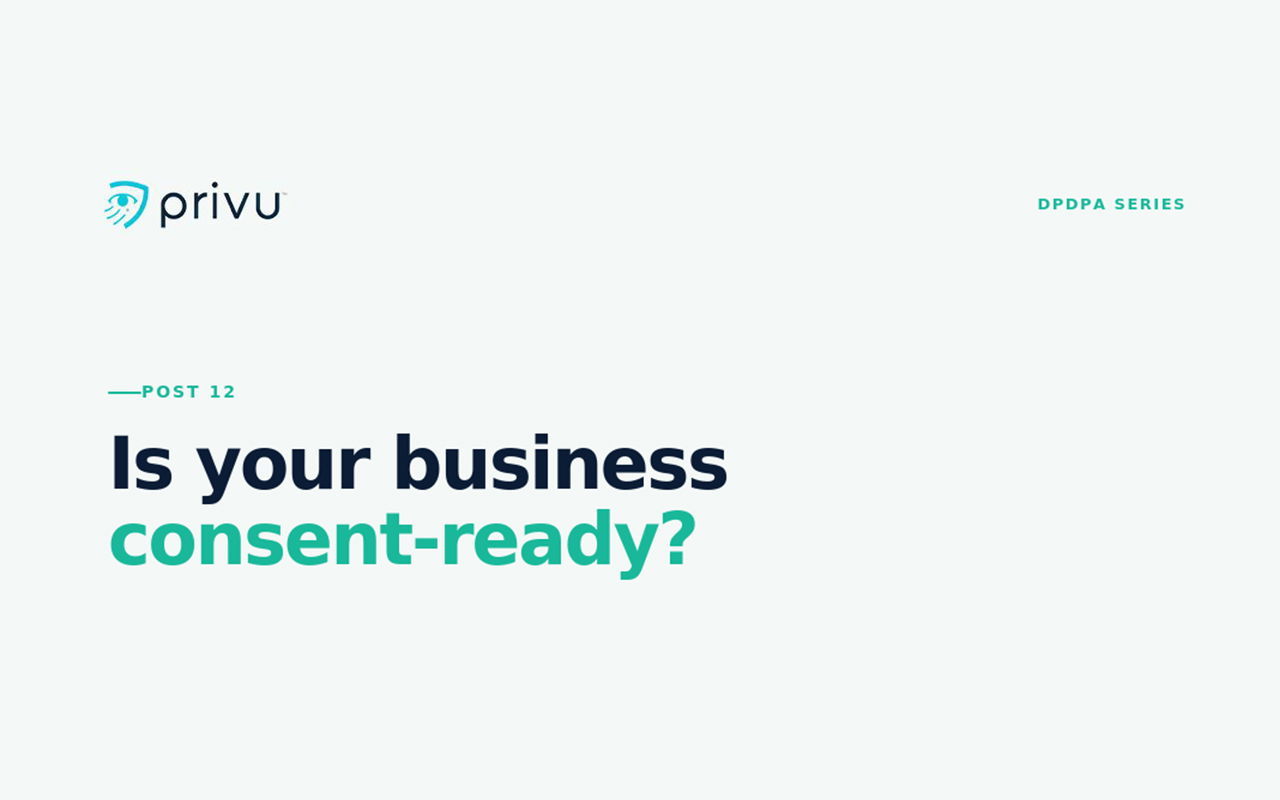
If you run a business that collects personal data — and in 2025, almost every business does — the most important first step toward DPDPA compliance is not hiring a lawyer or rewriting your privacy policy. It is conducting a consent audit. Before you can fix anything, you need to know what you have: every point across your customer journey where data is collected, the basis on which it is collected, what consent was sought, what it actually covered, and whether that consent would hold up under the DPDPA’s requirements. Most businesses that do this exercise honestly find significant gaps.
Think of it like a stock-take before a regulatory inspection. A kirana store owner who has kept rough records for years does not know exactly what is on the shelves until they count it. The consent audit is the same process applied to data. It maps every customer touchpoint — signup forms, mobile app permissions, customer service interactions, third-party integrations — and asks a simple question at each: is the consent we currently hold specific, informed, and freely given in the way the DPDPA requires? In many cases, the answer will be no, and that is not a failure — it is the beginning of an honest compliance roadmap.
The output of a consent audit is a gap analysis: here is what we have, here is what the law requires, and here is what needs to change. It gives legal, product, and technology teams a shared view of the problem, which is what makes subsequent remediation coherent rather than fragmented. Businesses that invest in this exercise now — before the Data Protection Board is fully operational and enforcement begins — will be in a fundamentally stronger position than those who wait. Compliance built on genuine understanding of your own data practices is always more durable than compliance bolted on at the last minute.